Most people expect that buying a relatively new vehicle from an established, reputable dealership protects them from serious headaches. You review the glossy sales sheet, glance at the clean summary report handed to you across the desk, and assume the business is operating in good faith.
As a licensed private investigator and long-time Tulsa businessman, I know that surface-level paperwork rarely tells the whole story. A recent case involving a local client proved just how critical thorough due diligence really is—and how close an everyday buyer can come to driving off in a vehicle with a known, undisclosed defect.
The Transaction That Looked Safe on Paper….
My client was in the final stages of purchasing a late-model used vehicle from a well-known dealership here in Tulsa. On paper, the car seemed in prime condition: low mileage, clean appearance, and priced accordingly.
However, standard vehicle history summaries only reflect what has been formally reported. Gaps, delayed entries, and omitted service histories often leave room for significant blind spots. Wanting complete peace of mind before signing binding financial paperwork, my client brought me in to verify the vehicle’s background.
Taking Due Diligence a Step Further….
Instead of relying solely on dealer-provided paperwork, I launched a focused background inquiry into the vehicle’s history. Through standard investigative methods, I identified and contacted the immediate previous owner. The conversation changed the entire scope of the deal:
- The prior owner confirmed the vehicle had an unresolved, documented defect.
- The issue had been explicitly identified prior to the vehicle being traded in or sold.
- Despite this history, the dealership withheld critical information from prospective buyers.
Armed with confirmed facts rather than dealer assurances, my client walked away from the transaction. A potentially ruinous financial decision—and months of costly mechanical trouble—was completely averted.
The Frustration of Incomplete Disclosure….
Having conducted business in Tulsa for decades, situations like this are deeply discouraging. A vehicle purchase is one of the largest financial commitments an individual or family will make. When a reputable business relies on omissions and information asymmetry to move inventory, it erodes the basic trust necessary for honest commerce.
How does someone hand over the keys knowing a major defect has been concealed? In an industry driven by sales quotas and quick turnover, some choose short-term profit over basic business ethics.
Practical Safeguards for Buyers….
If you are currently shopping for a used vehicle, do not rely exclusively on the seller’s word:
- Never settle for a single vehicle history report. Cross-reference databases and verify service records directly with brand service centers when possible.
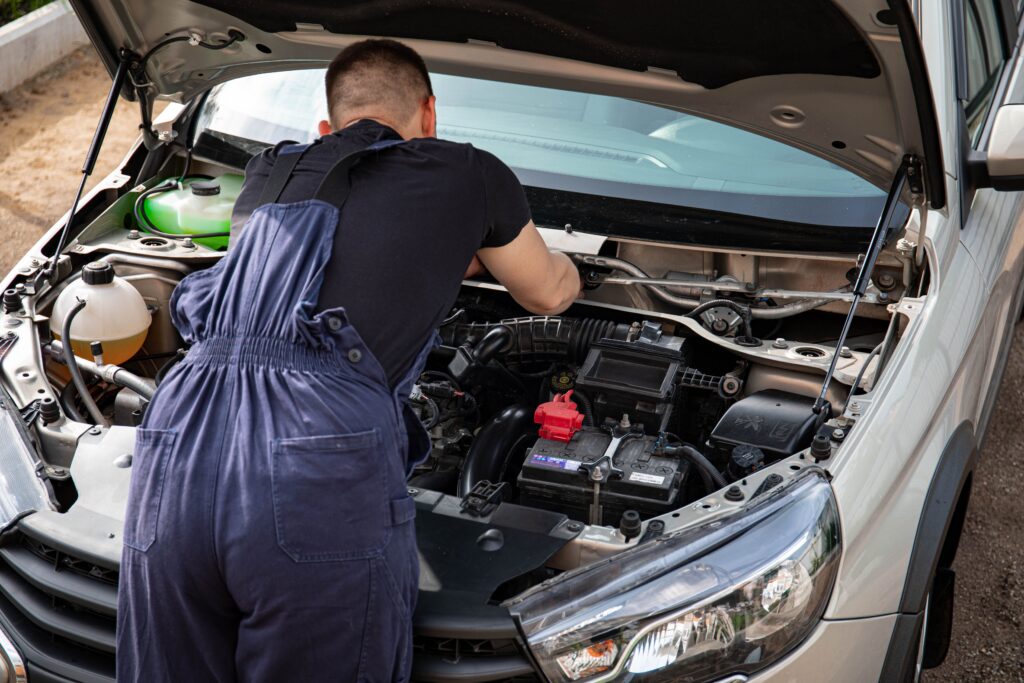
- Insist on an independent mechanical inspection. A pre-purchase inspection by an independent mechanic is essential, regardless of the dealership’s reputation.
- Investigate when facts do not align. For high-value purchases or complex asset acquisitions, bringing in professional investigative resources to trace history and verify chain of custody can save tens of thousands of dollars.
Due diligence is not about cynicism; it is about protecting your financial interests when the other party will not.